One health worker. One health post. One community transformed.
Sunita’s story shows how IPC training builds the confidence that makes rural healthcare trustworthy.

One health worker. One health post. One community transformed.
Sunita’s story shows how IPC training builds the confidence that makes rural healthcare trustworthy.
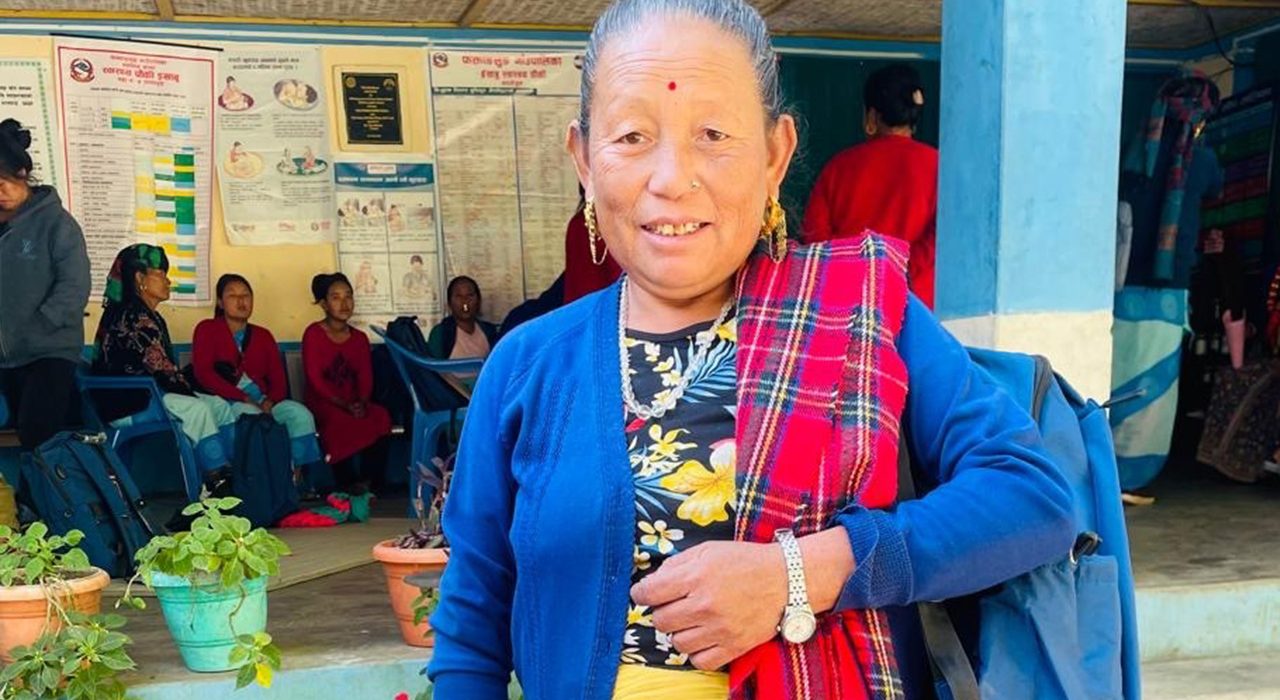
Within weeks of attending comprehensive Infection Prevention and Control (IPC) training, delivered through our partnership with Action For Nepal, Sunita noticed gaps in infection prevention practices at Ikhabu Health Post.
She immediately began to transform these practices and today, as IPC focal person, she ensures every patient interaction follows proper safety standards, protecting both healthcare workers and the mountain communities they serve.
In remote health posts across Nepal’s mountain regions, basic infection prevention protocols are often inadequately implemented despite their critical importance. Rural health facilities face interconnected challenges: newly graduated health workers arrive with theoretical knowledge but limited practical experience, isolated facilities lack peer support and ongoing mentorship, and resource constraints make consistent safety standards difficult to maintain.
The consequences extend beyond immediate health risks. When communities perceive health facilities as unsafe or poorly managed, they lose trust in formal healthcare systems and delay seeking critical services, particularly for maternal and child health.
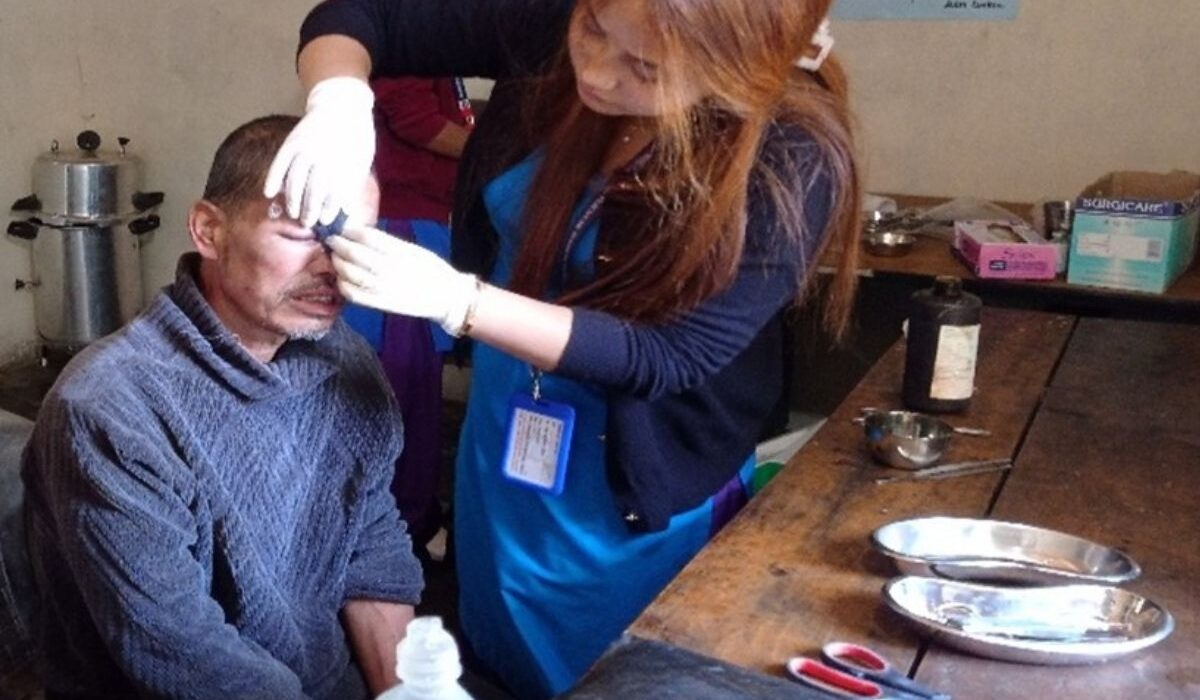
At Ikhabu Health Post, these challenges were familiar. Improperly sterilised equipment risked transmitting infections between patients. Inadequate waste management created environmental and health hazards. Insufficient PPE use endangered both healthcare workers and patients.
Through our partnership we implemented comprehensive IPC training aligned with Nepal’s Public Health Act 2079, which mandates infection prevention standards for all health facilities.
The intensive three-day training covered:
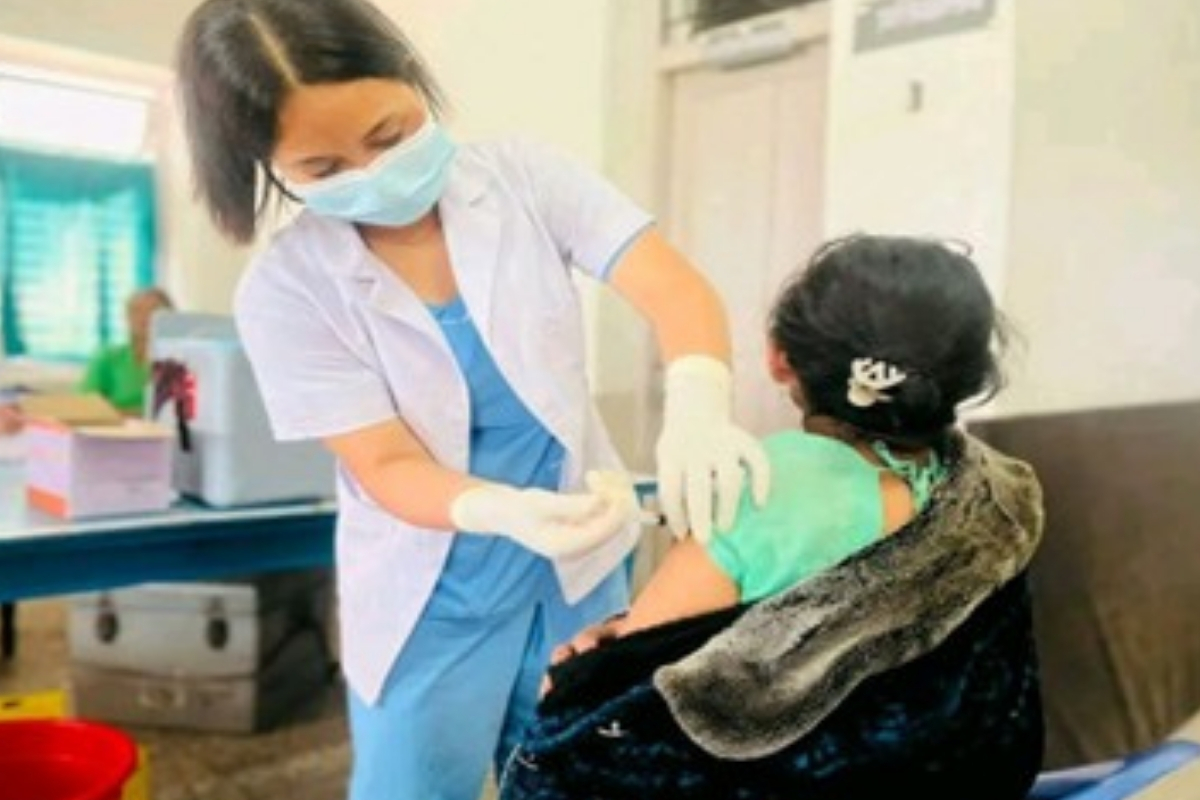
Sunita’s leadership has catalysed measurable improvements at Ikhabu Health Post. As IPC focal person, she ensures consistent protocol application in all patient interactions, actively guides colleagues in maintaining standards and creates collective ownership of safety culture rather than relying on external oversight.
The health post has become demonstrably safer, more organised, and more professionally managed. Equipment is properly sterilised between patients. Healthcare waste is systematically segregated and disposed of safely. PPE is used appropriately for different procedures. These changes are visible to both staff and community members.
My biggest achievement is gaining confidence. Now I can lead improvements rather than simply following instructions. When communities trust that their health post maintains proper safety standards, they seek care earlier. That means we can address health issues before they become serious and mothers feel confident delivering their babies here rather than at home.
This confidence translates directly into better outcomes for mountain communities. Across our health programme in Taplejung
This approach reflects exactly what Sir Edmund Hillary envisioned: involving the mountain people themselves in the work. Rather than sending external medical staff to provide temporary services, we invest in local health workers like Sunita who are committed to serving their own communities. The training builds permanent capacity within the health post itself, Sunita will continue serving Ikhabu and the skills she mentors colleagues in, will remain embedded in the facility’s practices.
Your support doesn’t just fund health services, it builds the capacity that makes those services trustworthy and effective for Nepal’s most isolated communities. When health workers like Sunita gain proper training and confidence, entire communities benefit through safer, more professional healthcare that families can trust.
This is how one trained health worker transforms safety standards and how improved protocols mean healthier mothers, safer deliveries, and stronger community trust in local healthcare systems.
£725 provides comprehensive IPC training for health workers serving remote mountain communities
£315 supplies essential infection prevention equipment and materials for a rural health post