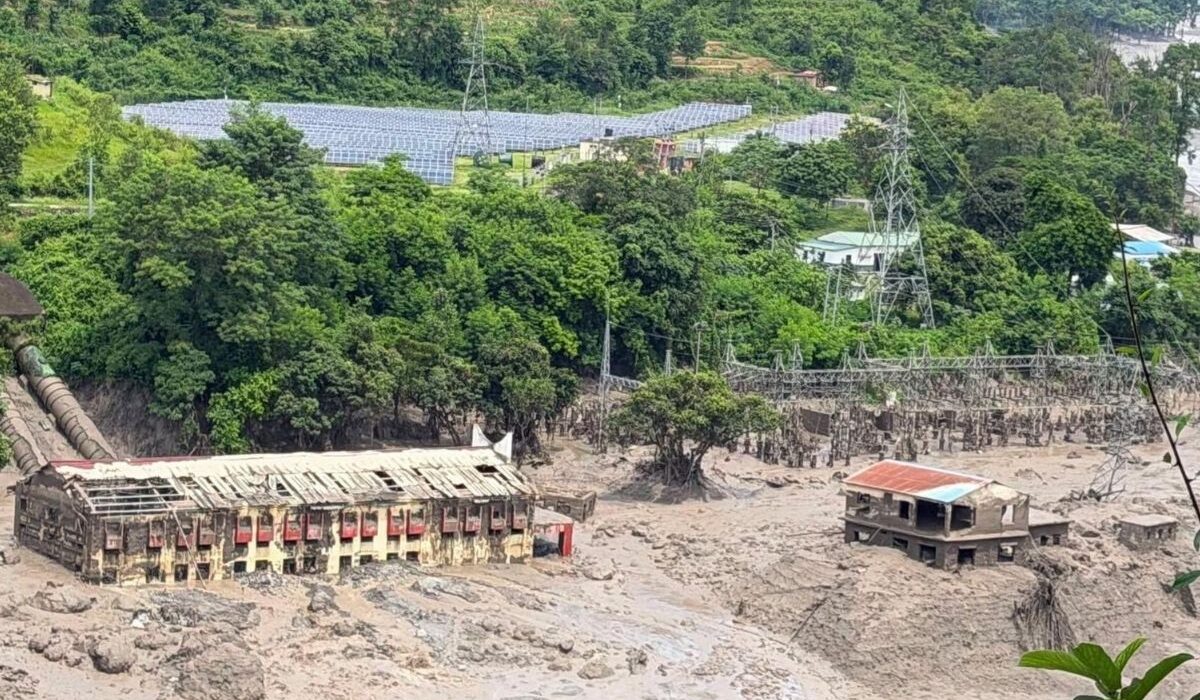
The recent flood that swept through the Bhotekoshi and Trishuli valleys is a sobering reminder of the reality of life in Nepal today. More than 1,350 lives were lost, with thousands still missing and tens of thousands displaced. Our thoughts are with every individual and family affected.
The response is being led by Nepal’s national authorities alongside agencies equipped for emergencies on this scale, and we are enormously grateful for all of them.
The communities, schools and health facilities we support in Taplejung lie several valleys’ distance from the flood’s path, and we are relieved that everyone at Samarthya Foundation and Action For Nepal is safe, although sadly some have family and friends who were affected by the flood.
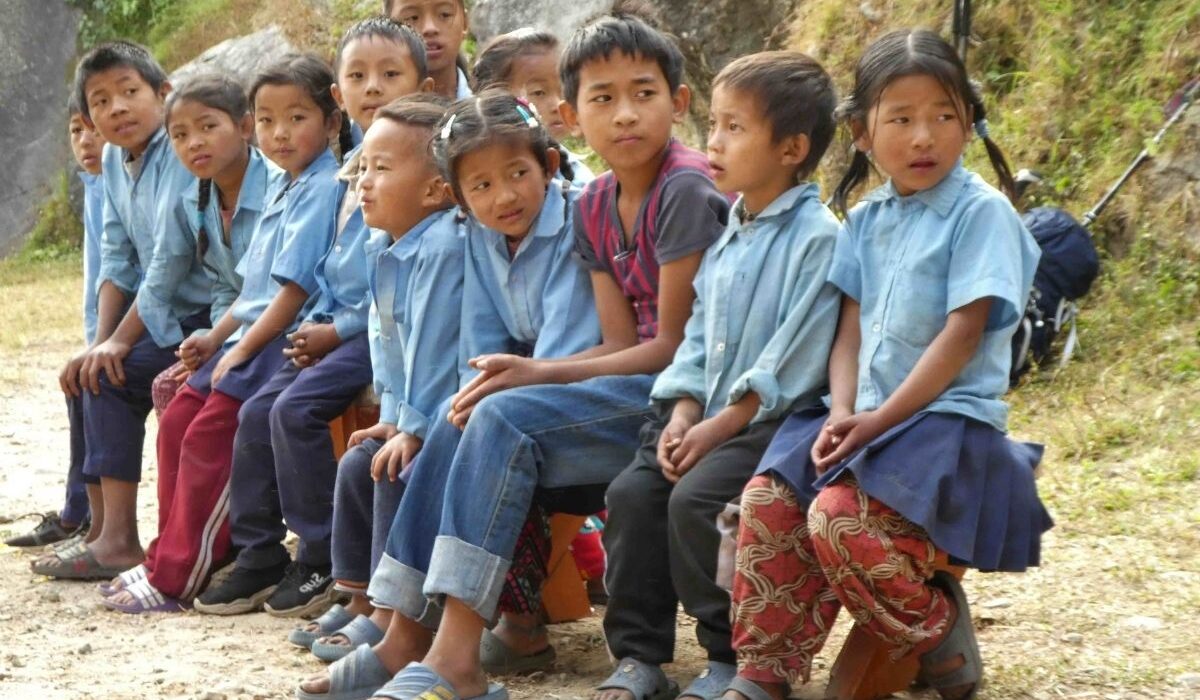
As people who love Nepal, and the Nepali people, our impulse is to help wherever we can, while recognising where our strengths lie. The Himalayan Trust UK is a small charity that serves the communities in Taplejung and the Kanchenjunga Conservation Area. Here, with your generous support, we have built school by school, health post by health post, over decades.
Most of what protects a community happens long before the rain comes. What we do for our communities is stay, rebuild and train. We ensure resilience the best we can by choosing where to build with care, working with specialist engineers to assess sites for schools and health posts for landslide and flood risk before laying foundations. Over the last decade we have been rebuilding, relocating and protecting schools and health clinics whilst the mountain communities adapt to the extreme climate risk. Earth-quake resistant designs are used for all our new builds and rebuilds, a method developed during the Build Back Better project after the 2015 earthquake. These are not headline grabbing events, but are sadly the reality of life in the high Himalayas today, that all of our Trustees see changing as they visit every year.
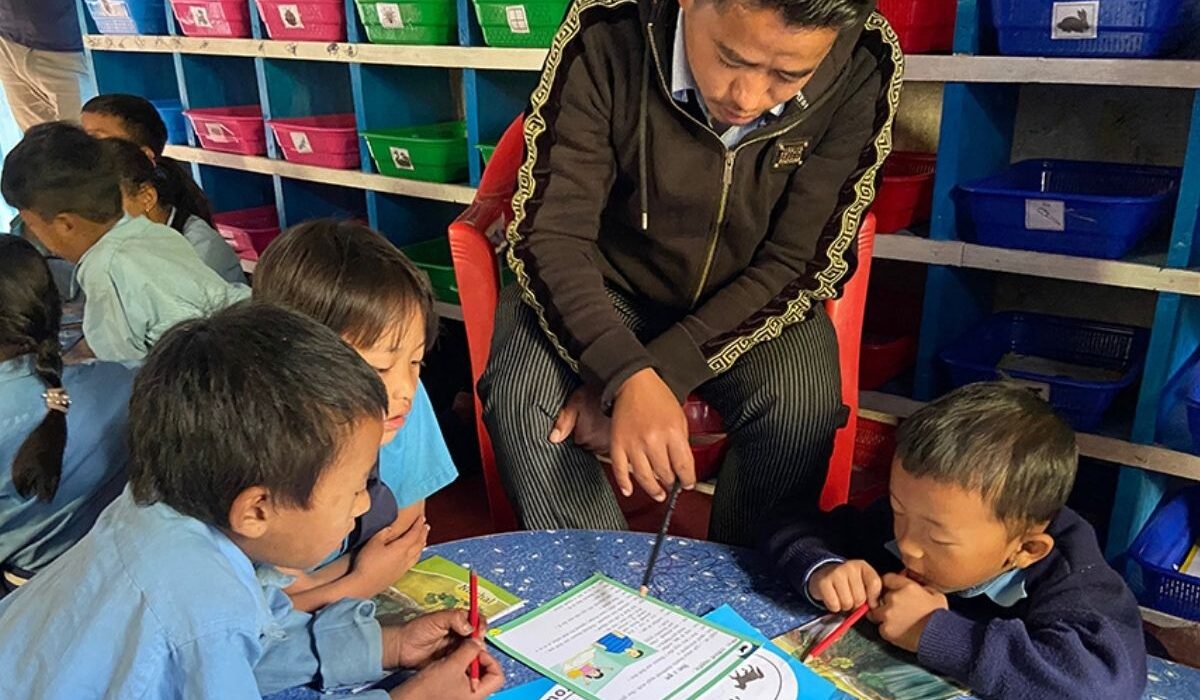
We teach children to read their own landscape. Sustainable living is now part of the school curriculum. Eco Child Clubs, introduced at schools in the area, give children hands-on experience in protecting and improving their surroundings and pupils learn about the glacial lakes above their valleys and the risks they carry. In addition, we are partnering with organisations with international scientists and are working with them to plot how we should invest in the future, and leverage this knowledge across the schools and the communities.
Having said this, we well understand nature is bigger than us, and have carefully considered the impact of a natural disaster in Taplejung. To mitigate the consequences of flood, landslides or an earthquake, we hold a designated reserve, reviewed by our Trustees every December, so that we can act quickly rather than start from scratch. We would also be coming to you to ask for your support.
Nepal’s recovery from these floods will take years, and the strain will be felt well beyond the districts that were hit – on supply routes, on prices, on services already stretched. Our valleys will feel it too, and we are already planning to build this into our training programme. We are rolling out training on safe evacuation procedures and are developing an early warning system across the valley.
We can’t stop disasters from happening. But what we can do is ensure that when one strikes, the school is still standing, the health post is still open, the bridges gets rebuilt, and the people who live there are prepared and know exactly what to do. It is slow, unglamorous work, only possible because of supporters like you who have blessedly stayed with it for decades.
Thank you for standing with the communities of Taplejung.